
Mobility databases and data models built for real operations
We design data foundations that remain reliable as systems scale and complexity increases. Mobility platforms generate large volumes of heterogeneous data from vehicles, devices, and software systems. Without a clear structure, this data quickly becomes inconsistent and unreliable.
When data grows faster than structure
Most mobility data issues are architectural, not technical. Many teams start with flexible schemas and ad-hoc pipelines to move quickly, but as usage grows, these early decisions lead to duplicated entities, unclear ownership, and conflicting metrics across teams.
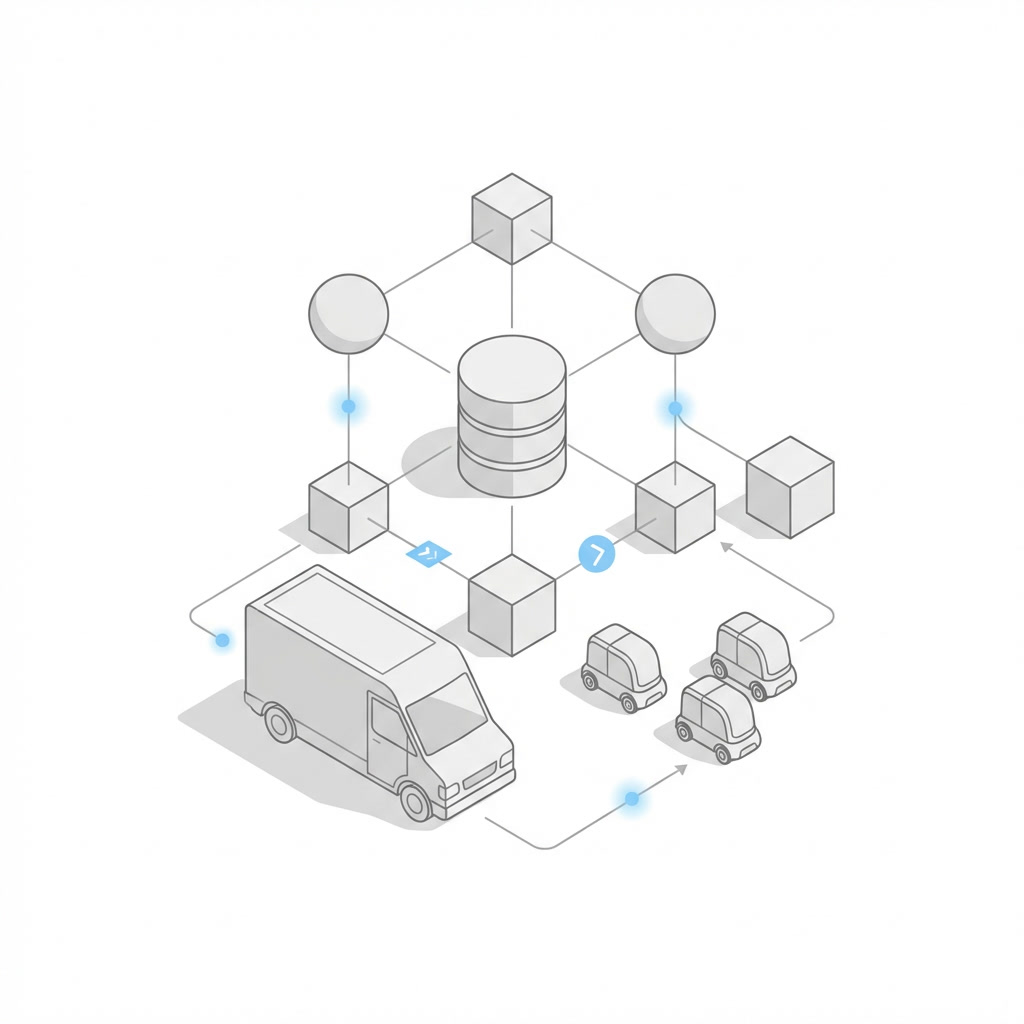
Data systems designed for long-term use
Our work focuses on creating data foundations that remain understandable and maintainable years after initial deployment. We avoid over-engineering and instead deliver systems aligned with real data flows and decision-making needs.
Canonical models
Vehicles, assets, users, and events structured for clarity.

Scalable schemas
Optimized for both operational and analytical workloads.

Clear pipelines
Data flows with defined ownership and validation rules built in.

Governance guidelines
Versioning, access control, and change management documented and enforced.

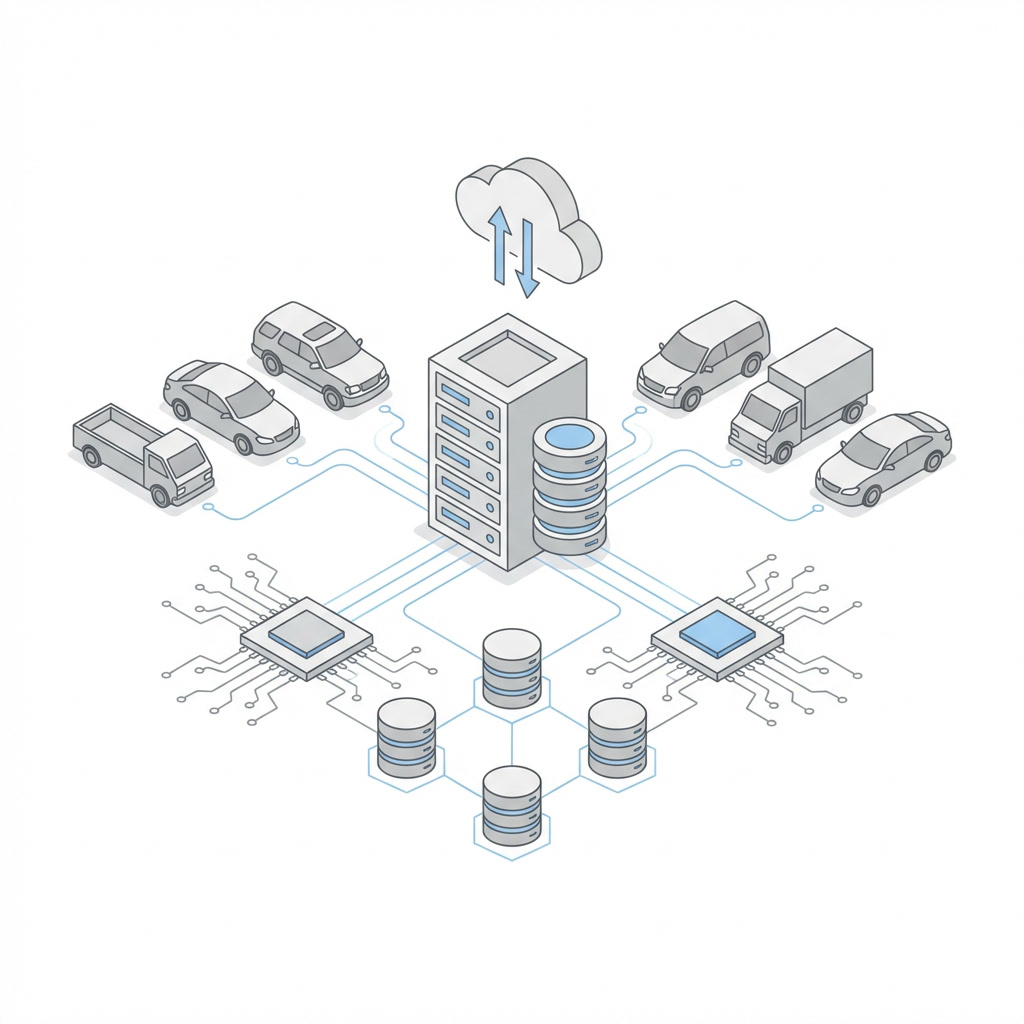
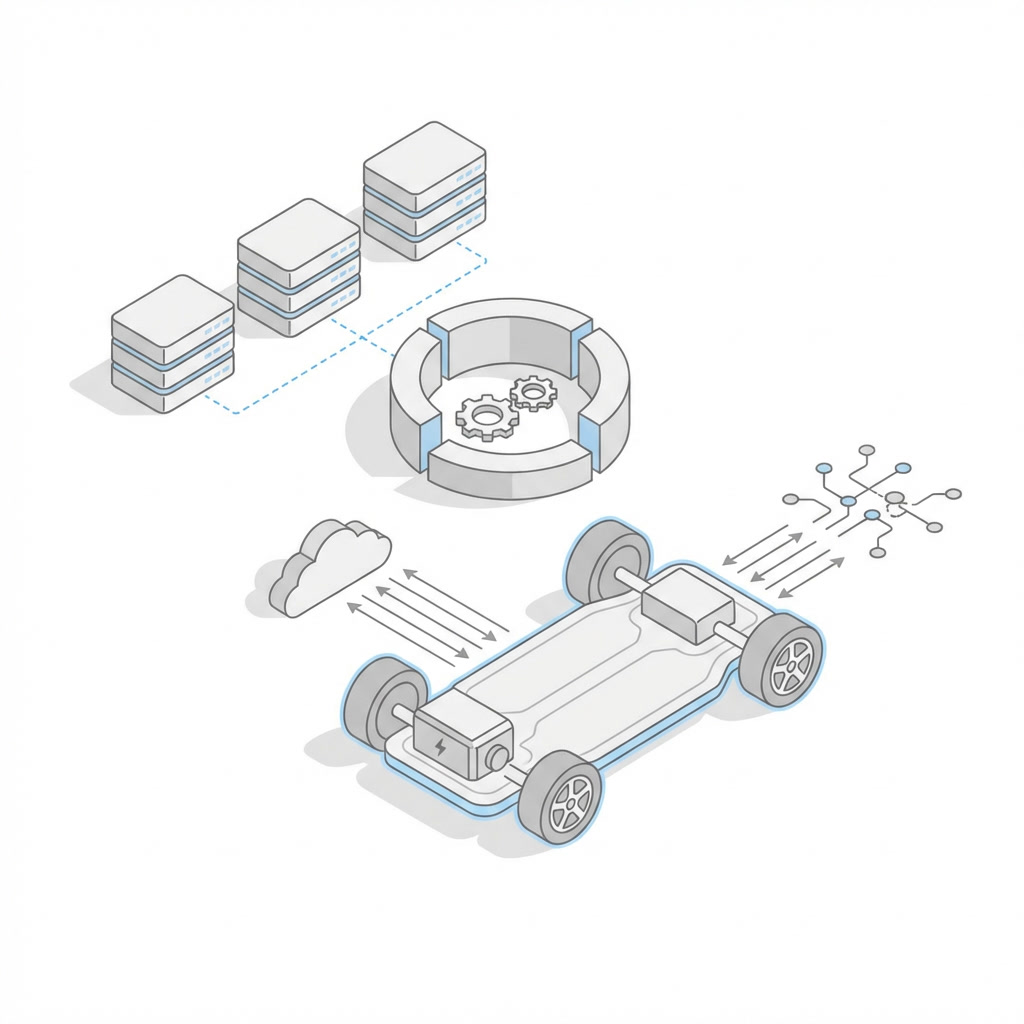
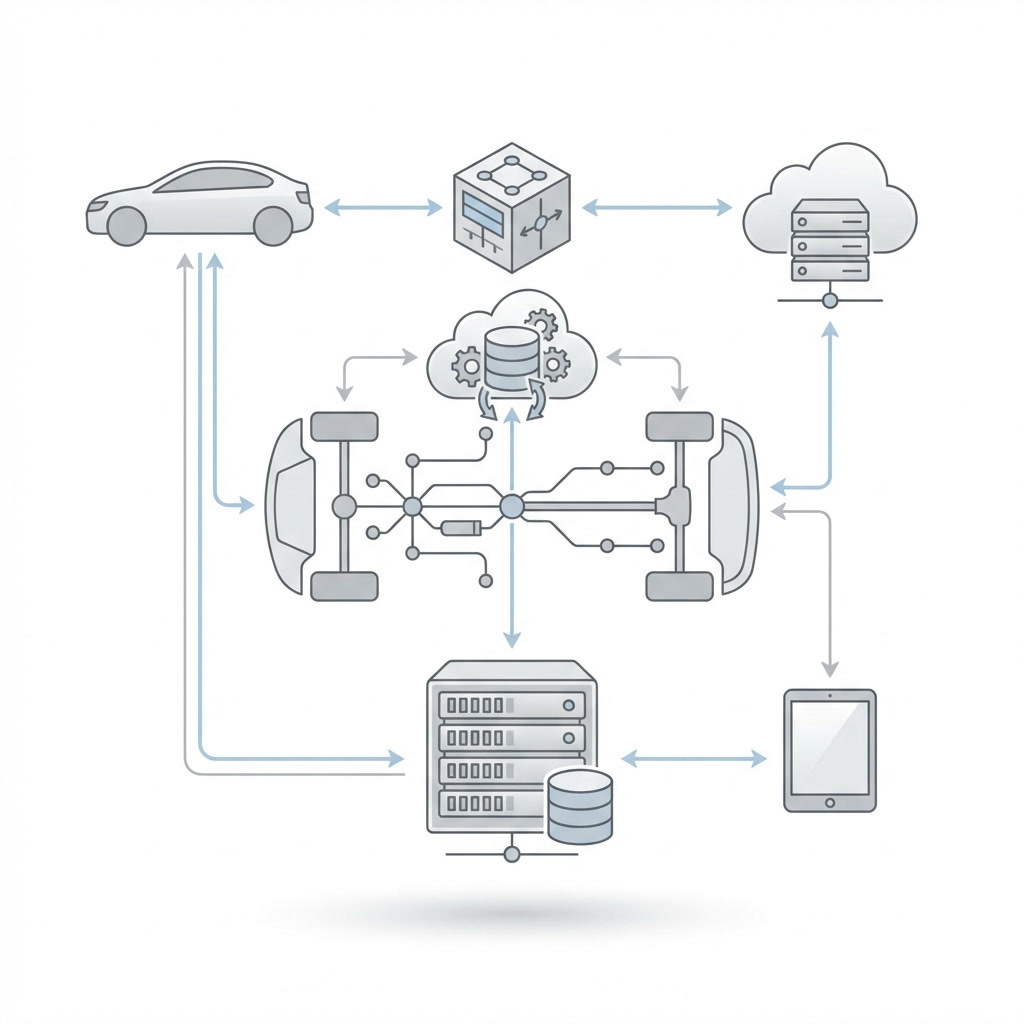
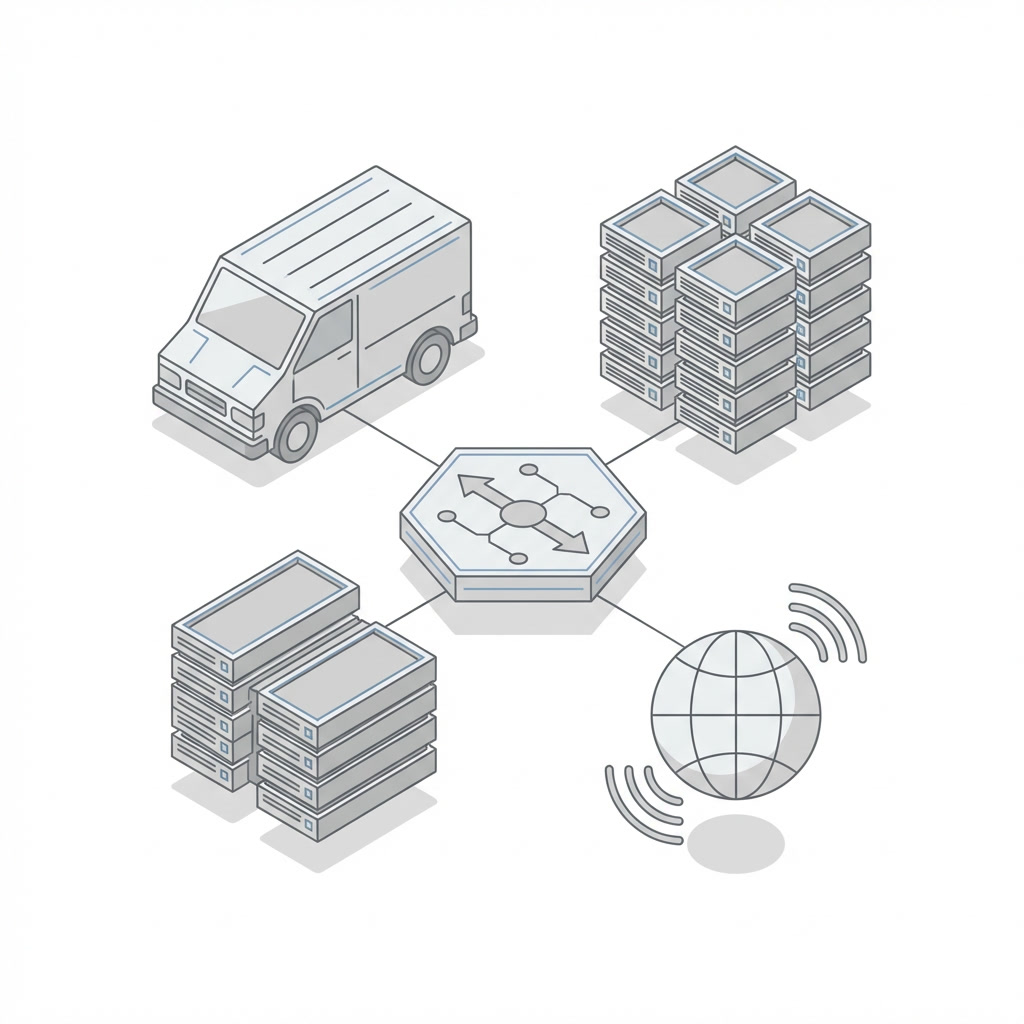
A structured approach to data architecture
We improve clarity without stopping production systems. Data projects often fail when teams attempt full rewrites or introduce abstract standards disconnected from reality.
Data discovery and mapping
We audit existing schemas, data sources, and dependencies to identify inconsistencies, duplication, and risk areas.
Model design and validation
We design canonical models and validate them against real queries, reports, and integration requirements.
Implementation and migration support
We assist with schema changes, data migrations, and pipeline adjustments while minimizing disruption to live systems.

Data foundations across mobility systems
Our database and data modeling work supports fleet operations, diagnostics platforms, analytics systems, and AI-driven decision tools. The common requirement across these environments is consistent, explainable data that teams can rely on.



Let's examine what your data actually needs
Most teams know their data has problems before they know how to fix them. We start by listening to what's broken and why it matters to your operations.
Your situation
Tell us where schemas conflict and integrations fail today.
The path forward
We'll outline a practical approach that fits your timeline and resources.
Signals it's time to revisit your data layer
Teams typically engage us when reports stop matching reality, integrations become brittle, or new features require excessive data workarounds. Addressing data structure early reduces long-term cost and prevents operational friction across teams.
Reports diverge from reality
Integrations become fragile and slow
New features demand data workarounds