
Systems integration and infrastructure built to withstand change
We connect platforms, services, and tools without creating fragile dependencies. Mobility systems rarely operate in isolation. They depend on multiple internal services, third-party platforms, devices, and external partners. We design and implement integrations and infrastructure that remain stable as systems evolve, volumes increase, and requirements change.
Integration layers teams can rely on
Our integration work focuses on building infrastructure that teams can reason about and maintain. We avoid opaque connectors and undocumented logic in favor of explicit interfaces and shared understanding.
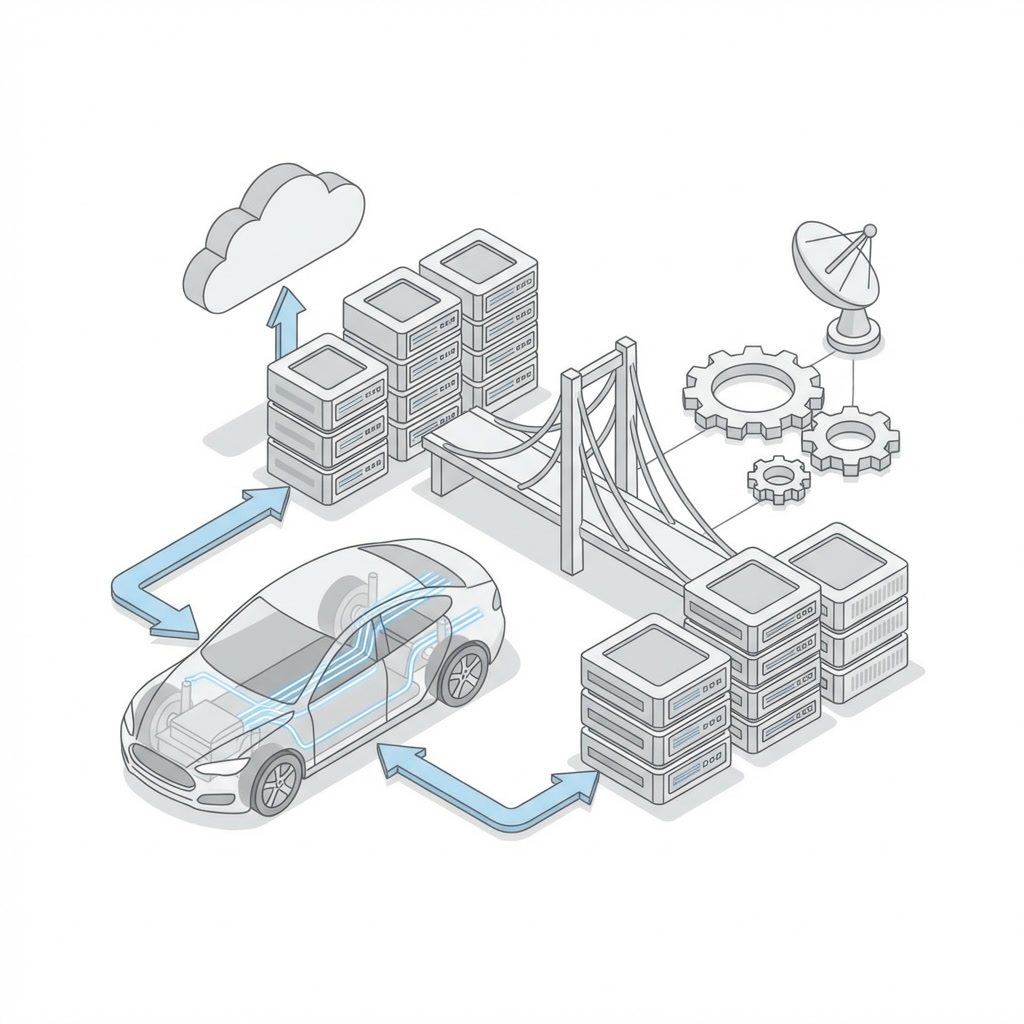
Well-defined APIs and service contracts
Clear interfaces eliminate ambiguity about what each system expects and provides. Teams understand the contract before integration begins.
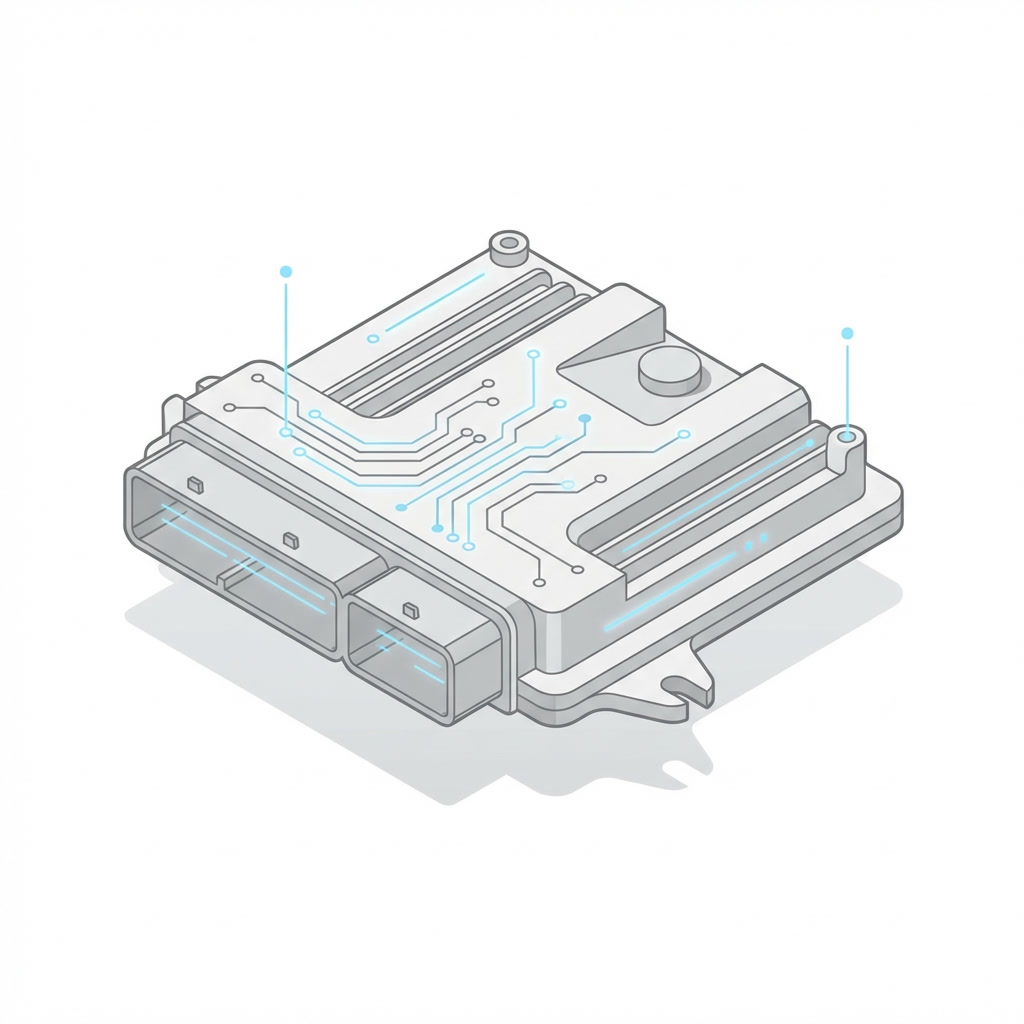
Middleware and message flows with validation and retry logic
Messages are validated before processing. Failures trigger retries with backoff. Logic remains transparent and testable under real load.

Centralized logging, monitoring, and error visibility
Every integration point is observable. Logs are centralized, metrics are tracked, and errors surface immediately so teams can respond before users notice.
Failures happen between systems
Integrations added quickly become invisible. Error handling stays loose, contracts undefined, and when failure comes, it costs time and money to trace. We make integrations explicit, observable, and predictable.

Infrastructure across mobility
Our integration and infrastructure work supports mobility platforms, fleet systems, data pipelines, partner integrations, and operational tooling. These environments require consistent behavior, traceability, and the ability to diagnose issues quickly when they occur.
Mobility platforms require reliable integrations
These systems cannot tolerate silent failures or invisible dependencies. We ensure every connection is observable and every failure is traceable.
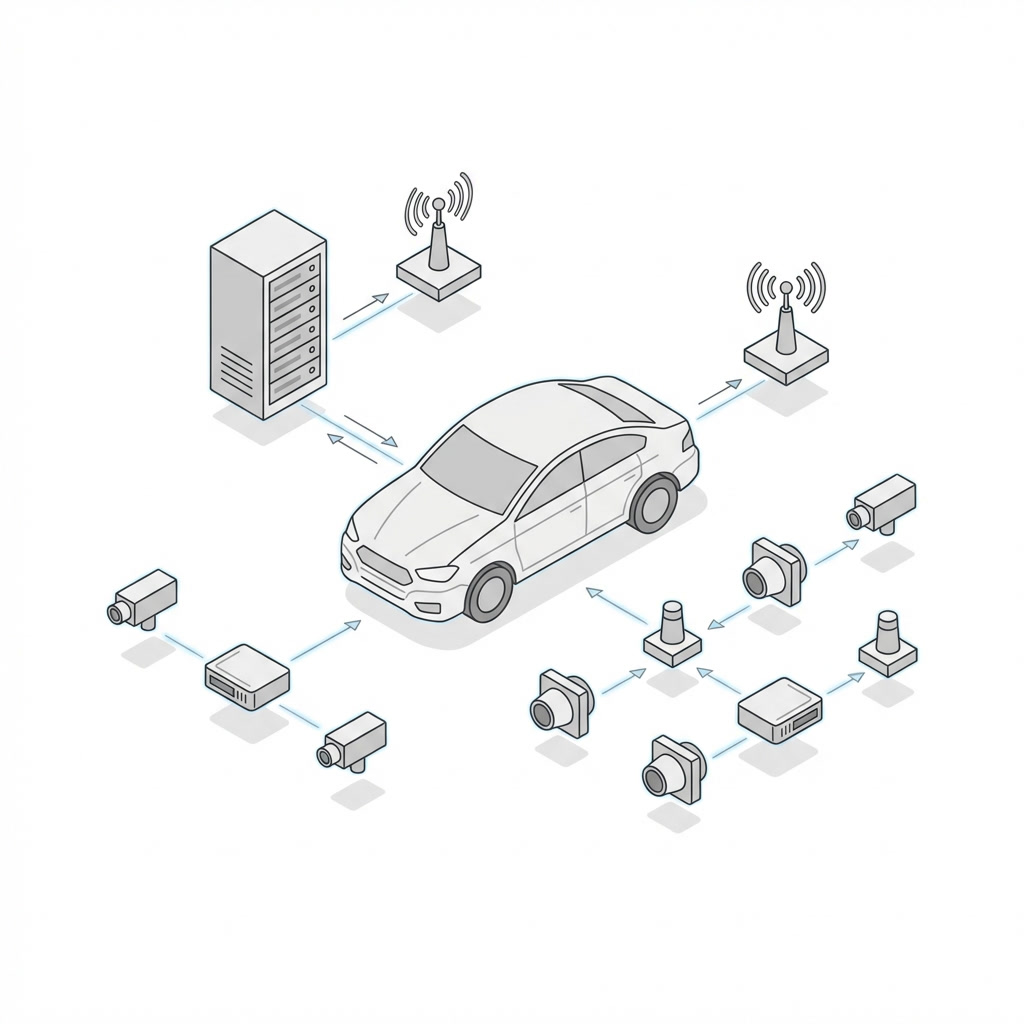
Fleet and logistics systems need consistency
Vehicles, drivers, and cargo depend on integrations that work reliably under real-world load. We design for the constraints that matter.
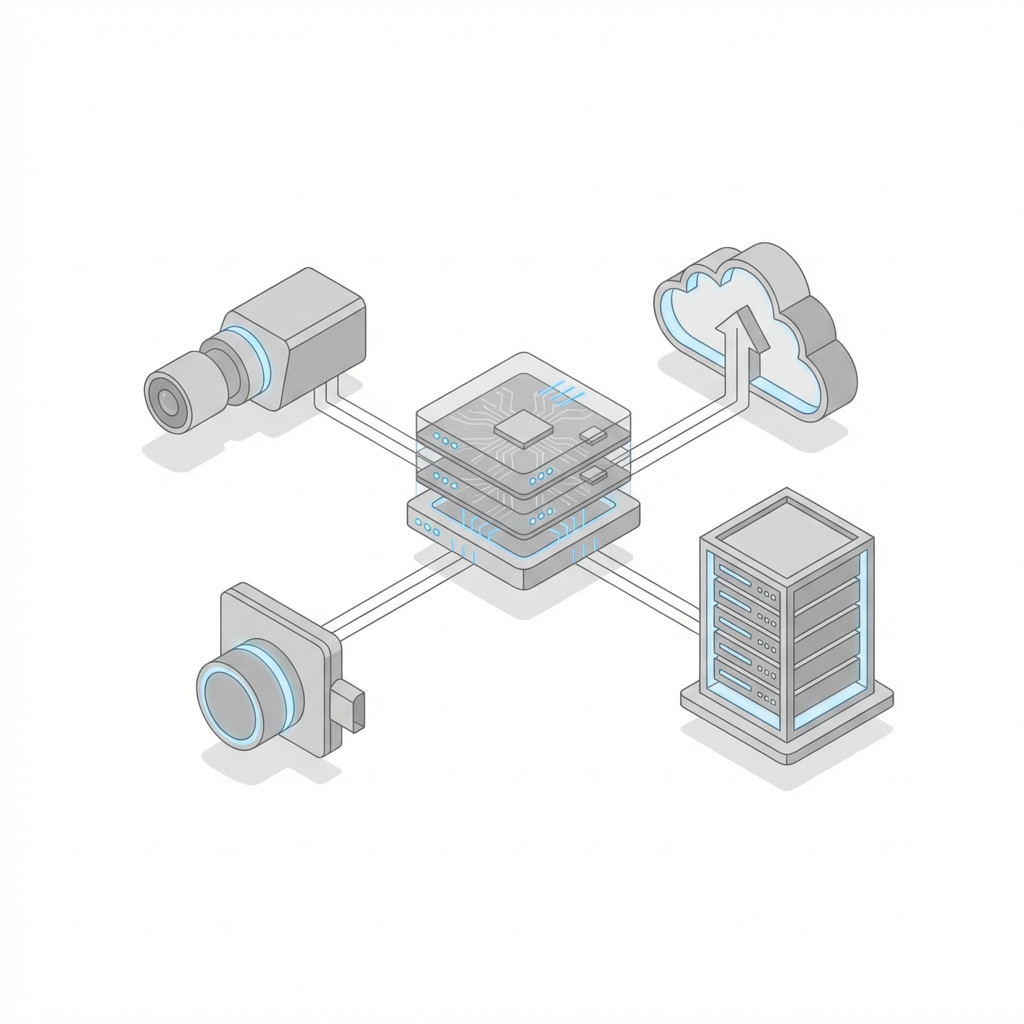
External integrations demand clear contracts
When you depend on third-party systems, ambiguity becomes risk. We define explicit agreements and validate them continuously.

How we work on integration projects
We stabilize systems while they remain in use. Our approach is incremental and risk-aware, improving observability first, then introducing structural changes that reduce failure modes over time.

Integration mapping and risk analysis
We map existing integrations, dependencies, and data flows to identify hidden coupling and failure points.

Contract definition and validation
We define clear interface contracts and validate them against real producers and consumers.

Implementation and hardening
We implement changes gradually, adding logging, retries, and safeguards to ensure predictable behavior under load.
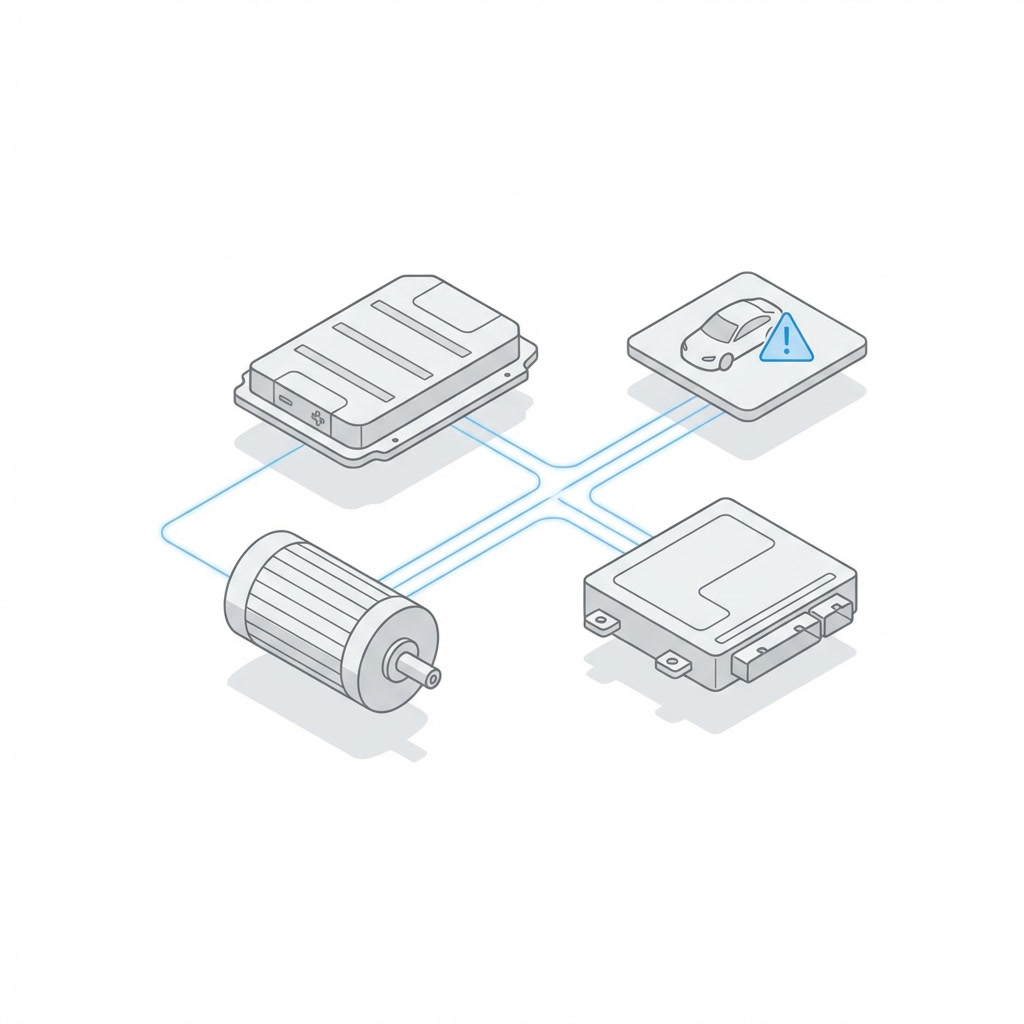
Signs your integration layer needs attention
These issues typically surface before outages. Teams usually engage us when integrations fail silently, operational teams lack visibility, or new partners require risky custom workarounds.
When failures go unnoticed, they compound. We add observability so teams know immediately when something breaks.
Without proper error handling and isolation, a single broken integration can take down multiple systems. We prevent this through careful design.